


PureTune: Offline Music
4.227.00 Reviews
App Specs
- Version
- 1.1.0
- Updated On
- License
- Free
- Downloads
- 5,000,000+
- Developer
- Flores
- Categories
- Music & Audio
- Platform
- Android
Screenshots
 Analysis by AppCompare
Ever caught yourself in that moment when you just want to enjoy some music but your data plan is giving you the side-eye? Well, I’ve been there, and trust me, it’s not fun. Enter PureTune: Offline Music, an app that feels like a lifesaver for those moments when you need to groove without the net.
Why offline playback changes the routine
The useful idea behind an offline music app is simple: once music is available on your device, listening does not have to depend on a signal or an active data connection. That can make a real difference on a commute through dead zones, during a workout in a basement gym, or when you want to avoid streaming over a limited mobile plan. PureTune is a free music and audio app from Flores, and offline listening is the reason I would consider it in the first place.
There is an important distinction, though, between an app that plays music offline and one that can magically make any song available without internet. You still need to have music ready to play before you lose your connection. I would plan around that: choose what you want for the trip or training session while you are connected, then check that it is accessible before heading out. That small habit is more useful than assuming a signal will be there when you need it.
PureTune has a 4.4 average from around 950 ratings, and it has passed a million installs. Those figures suggest that many listeners have tried it, but they do not tell me whether its catalog, organization, or playback behavior will suit every person. I would treat them as a reason to take a look, not as a substitute for checking whether the app fits your own music habits.
Getting Started with PureTune
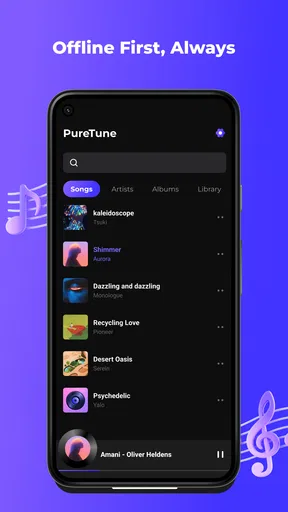
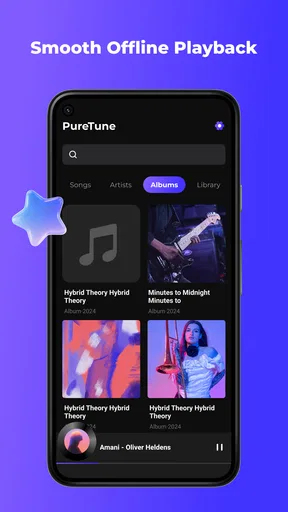
From the get-go, PureTune: Offline Music is all about simplicity and ease. Downloading and installing the app is a breeze, and before you know it, you’re up and running. The user interface? Let me tell you, it’s as smooth as a jazz track on a lazy Sunday afternoon. The developers clearly had user experience in mind because navigating around is intuitive, even for someone who’s not tech-savvy.
Features That Hit the Right Notes
Okay, so what exactly does PureTune bring to the table? For starters, the offline feature is the real MVP here. You can download your favorite tracks and playlists to listen without any internet connection. This is perfect for those long flights or road trips where Wi-Fi is just a distant dream.
For a more practical test, I would build a short “leave the house” playlist rather than relying on a broad collection. A compact selection is easier to check before a train ride, easier to navigate mid-workout, and less likely to leave you scrolling when you should be moving. I would also keep a second, calmer playlist for travel or breaks. That way, the same offline library can serve different parts of the day without requiring a connection to search for something new.
Worth Reading Before You Choose

Flipboard Shows What News Apps Must Do Beyond the Feed

Switching to Android Auto Means Rethinking Your Driving Routine

Google Calendar Makes a Crowded Week Easier to Manage

Ludo King Makes the Most of the Minutes Between Plans

Baby Panda World Brings Quick Play to Modern Phones, but Its Game Library Feels Busy

ESPN’s Live Game View Makes Following Close Games Easier
But wait, there’s more! The app offers a vast library of songs, covering various genres and artists. Whether you’re into pop, rock, or classical, PureTune has got you covered. The search functionality is top-notch too. You can easily find songs, albums, or artists with just a few taps. It’s like having a DJ in your pocket who knows exactly what you want to hear.
That breadth is appealing if you like moving between genres, but it also makes search quality and library organization important. Before committing to the app as your only player, I would look up a few artists and albums I actually listen to, not just familiar chart names. A service can sound comprehensive in general while still missing the specific tracks that make a personal playlist useful. If those essentials are easy to find and play offline, the central promise is much more meaningful.
Design and Usability
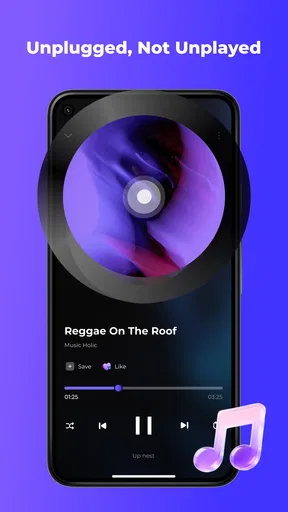
Now, let’s talk about design. The app’s layout is clean and modern, with a dark theme that’s easy on the eyes – perfect for late-night listening sessions. The controls are straightforward; play, pause, skip, and repeat are all conveniently located. Plus, the equalizer settings let you tweak the sound to your liking. Whether you prefer bass-heavy beats or crisp trebles, you can customize your listening experience to perfection.
For exercise, simple controls are not just a cosmetic benefit. If I am already moving, I want to pause or skip without hunting through menus, and a familiar set of playback buttons helps keep the phone interaction brief. I would set the sound balance before leaving home rather than adjusting it between sets. That is a small workflow choice, but it keeps the app in the background where a music player belongs.
The equalizer can also be a matter of restraint. A bass-heavy setting may suit energetic tracks, while a more balanced sound can make speech or acoustic music easier to follow. I would try any adjustment with several familiar songs, then leave it alone for a while instead of chasing a perfect setting track by track. It is most useful as a quick personal preference, not a replacement for good headphones or a fix for every recording.
Making the Most of Your Playlist
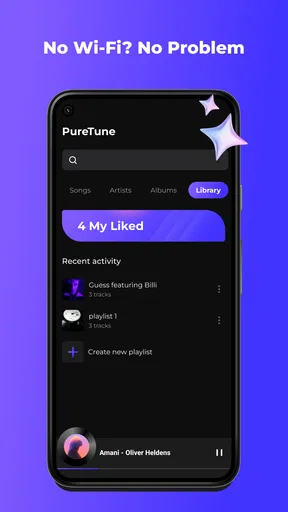
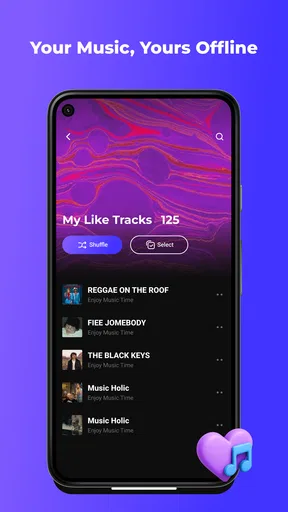
Creating playlists is a breeze, and the app even suggests songs based on your listening habits. It’s like it gets you, you know? The AI-driven recommendations are surprisingly accurate, introducing you to new artists and tracks that fit your vibe. You can also share your playlists with friends, which is a nifty feature if you’re the kind of person who loves to spread good music.
For a trip, I would make the playlist serve the journey rather than simply collecting favorites: familiar tracks for the first stretch, something more varied for the middle, and quieter choices for the end. That arrangement makes an offline playlist feel intentional, even if you cannot browse or change your listening plan once reception drops. If you share a playlist, I would also remember that sharing a selection is different from guaranteeing that another person can play every track offline; they may need access to the music on their own device.
Recommendations are best treated as suggestions, not as the foundation of an offline plan. They can help uncover something new while you are connected, but for a flight, workout, or rural drive, I would rely on music I have already checked. This is one of the main trade-offs in any discovery-focused player: exploring is enjoyable when a connection is available, while reliable listening depends on preparing a known selection in advance.
Where it fits beside other music options
Compared with a typical streaming app, PureTune’s appeal is the prospect of having music ready without depending on continuous connectivity. Streaming services are often more convenient when I want instant discovery, changing recommendations, or a large online catalog at the touch of a button. A local music player, meanwhile, can be a better fit for listeners who already manage their own audio files and do not need a discovery layer. PureTune sits most naturally between those habits: it is worth considering when offline access is the priority, but it should not be chosen solely because it sounds like a complete substitute for every streaming or library-management need.
The practical question is not simply “Does it work offline?” but “Can I prepare the music I care about and find it quickly when I am offline?” Before relying on it for a long journey, I would test the exact sequence at home: locate a few tracks, make a playlist, put the phone in offline conditions, and confirm playback continues. That check catches the sort of mismatch that a polished interface or a large catalog claim cannot resolve for you.
What About Ads?
Now, the elephant in the room – ads. Yes, there are ads, but they’re not intrusive. If you want a completely ad-free experience, there’s a premium version available. It’s worth considering if you’re planning to use the app extensively. Plus, supporting developers is always a good idea, right?
Since PureTune is free, it is easy to try without first making a purchase. I would pay attention to how the advertising feels during the kind of listening I actually do: a short session at home may be very different from a focused workout or a long commute. If interruptions bother you, that friction matters more than a general impression that ads are manageable. I would also avoid assuming a paid option is necessary until I had used the free app enough to know whether its offline workflow suits me.
Who will get the most from it
I see the strongest fit for listeners who regularly face unreliable reception, want to conserve mobile data, or prefer to prepare music before leaving home. A gym-goer can line up a set list in advance; someone travelling can avoid depending on onboard Wi-Fi; and a commuter can keep listening through a stretch of poor signal. The app is rated for Everyone, and its current version is 1.0.5, with Android 8.0 as the minimum operating system requirement, so Android users should check that their device meets that baseline before installing.
It is less compelling for someone whose main pleasure is live discovery, radio-style listening, or changing direction every few minutes based on a fresh online recommendation. In those cases, a streaming service with strong connected browsing may feel more natural. It may also be the wrong choice if the music you rely on is not available in a form you can prepare for offline playback. My advice is to test a few personal essentials first; a player only earns a place in a travel routine when it handles the tracks you genuinely want, not just the idea of offline listening.
Final Thoughts
In a world where staying connected can sometimes be a challenge, PureTune: Offline Music offers a refreshing solution. It’s user-friendly, packed with features, and most importantly, keeps your music rolling without a hitch. Whether you’re a casual listener or a die-hard music enthusiast, this app is definitely worth checking out.
So, if you’re tired of buffering and data constraints, give PureTune a spin. It might just be the musical companion you’ve been looking for.
Pros
- High-quality audio playback.
- User-friendly interface.
- No internet required for playback.
- Customizable playlists.
- Wide variety of genres.
Cons
- Limited offline storage capacity.
- Occasional app crashes.
- Ads in free version.
- No live streaming option.
- Frequent update notifications.
FAQs for PureTune: Offline Music
What is PureTune: Offline Music, and how does it work?
PureTune: Offline Music is an app designed for music lovers who want to enjoy their favorite tracks without an internet connection. It allows users to download songs directly to their devices, enabling offline playback. The app supports a wide range of audio formats and provides an easy-to-navigate interface for managing playlists and tracks.
Is PureTune: Offline Music free to use?
PureTune: Offline Music offers a free version with limited features, but users can upgrade to a premium version to access additional functionalities. The premium version typically includes ad-free listening, higher quality downloads, and unlimited playlist creation. Users can choose to make a one-time purchase or opt for a subscription model.
How can I download songs using PureTune: Offline Music?
To download songs, users need to search for their desired tracks within the app. Once found, simply tap the download button next to the song. The app will save it to your device for offline listening. Ensure you have sufficient storage space and a stable internet connection while downloading.
Does PureTune: Offline Music support playlist creation?
Yes, PureTune: Offline Music allows users to create and manage playlists easily. You can add songs to your playlists from both downloaded tracks and those available online within the app. The intuitive drag-and-drop feature makes organizing your music a seamless process, enhancing your listening experience.
What audio formats does PureTune: Offline Music support?
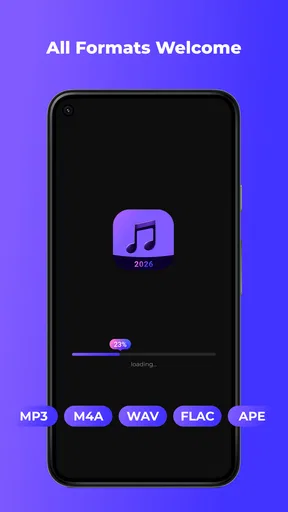
PureTune: Offline Music supports a variety of audio formats, including MP3, WAV, FLAC, and AAC. This flexibility ensures that users can enjoy high-quality sound regardless of the source of their music files. The app also offers options to convert and optimize files for better performance and storage efficiency.


